When Fashion Became Art: A Journey Through the Art Nouveau Era, and What It Made Me Wonder About Fashion Today
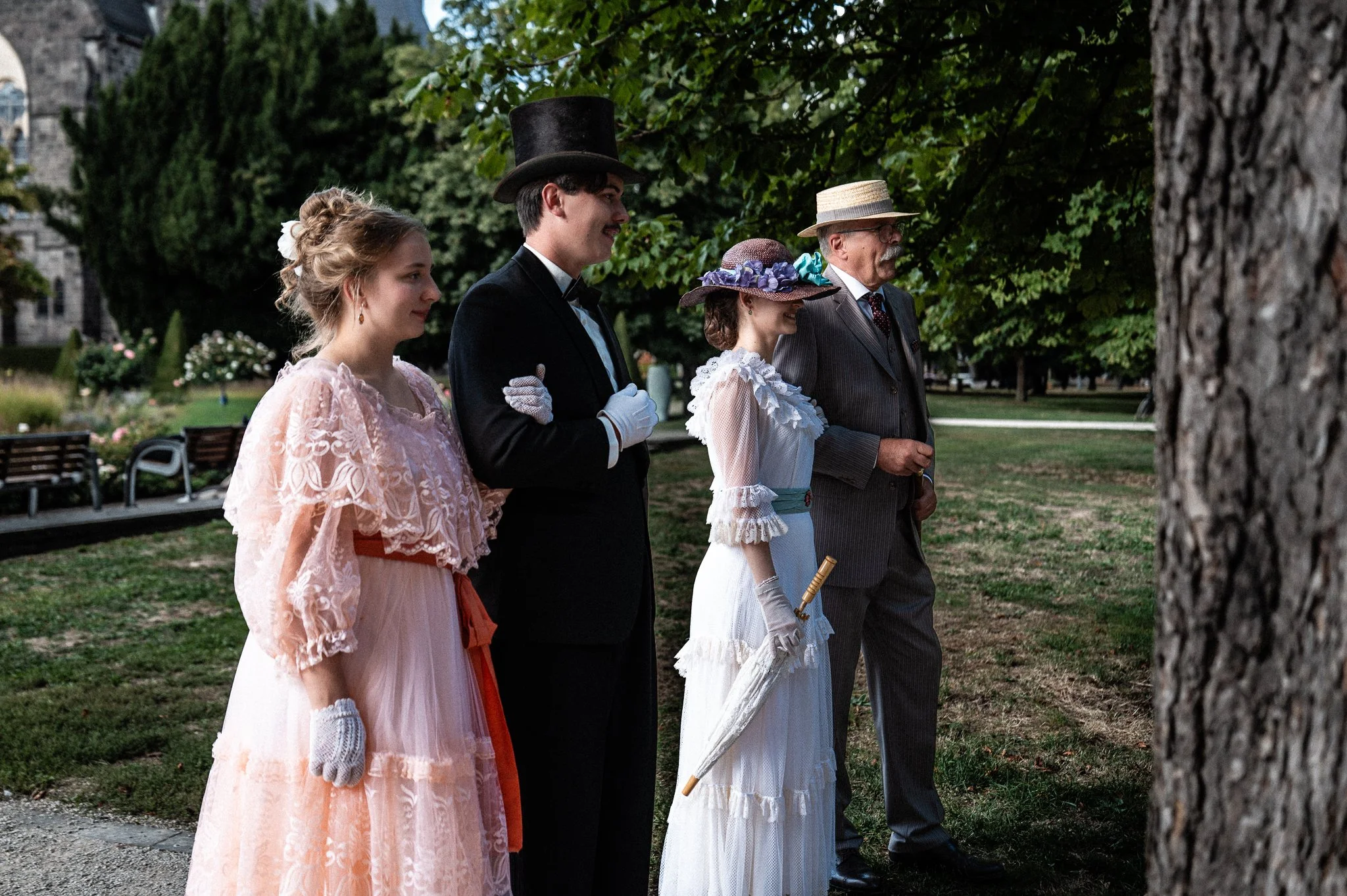
Jugendstil Bad Nauheim 2026
Did you know that Art Nouveau fashion comes to life once a year in a small German spa town?
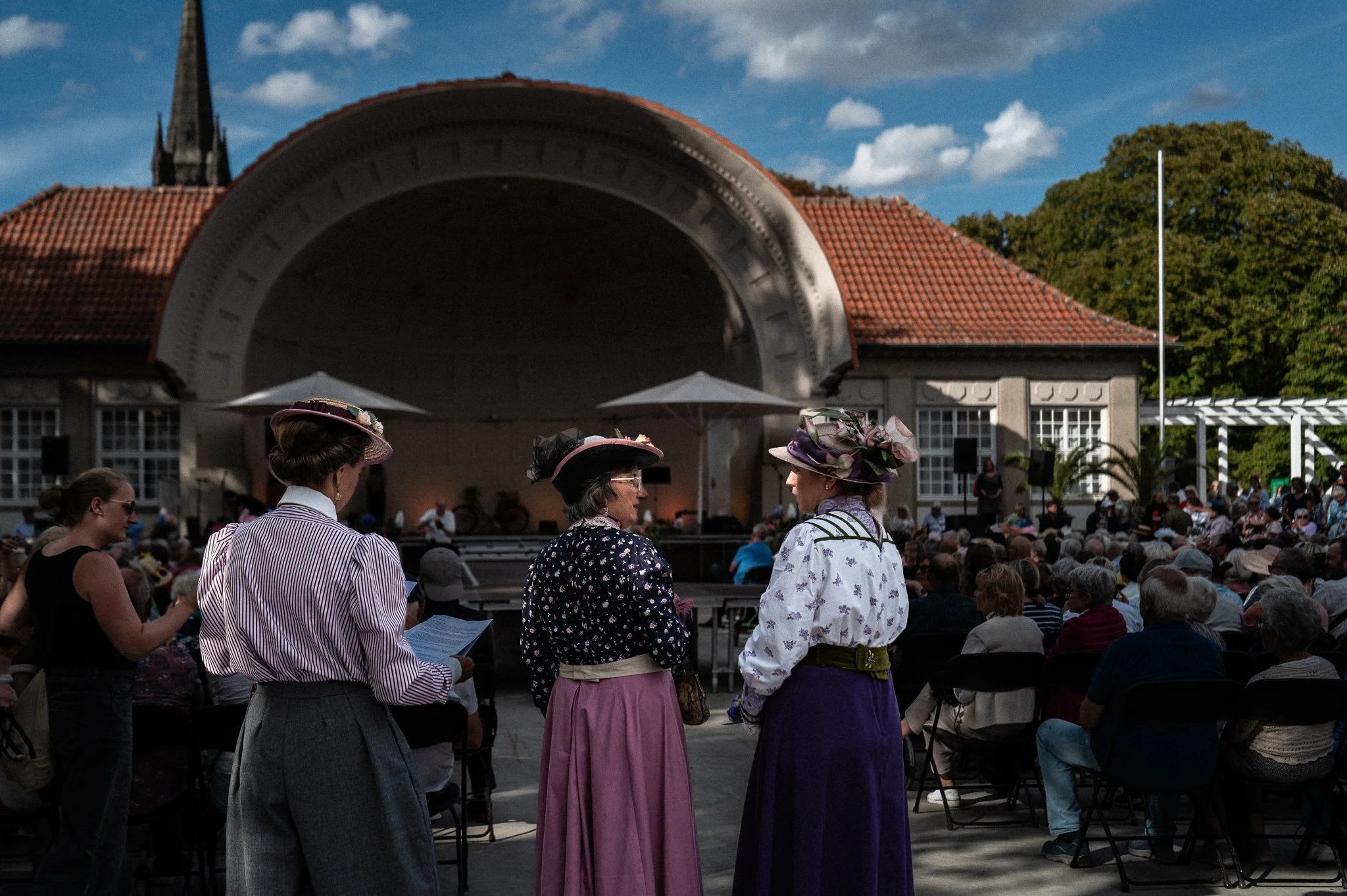
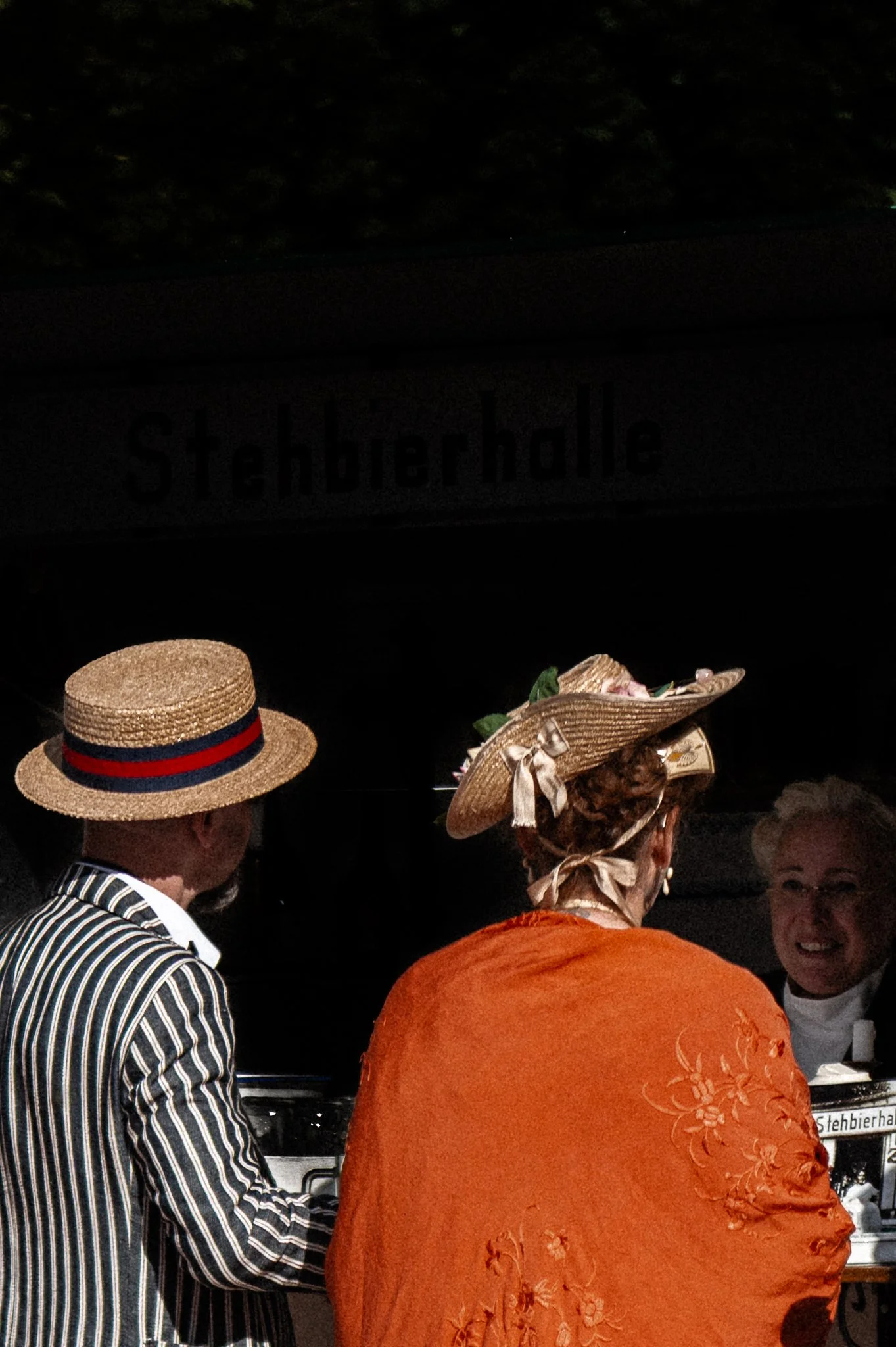
Every September, Bad Nauheim takes a step back in time. The elegant architecture becomes a stage.
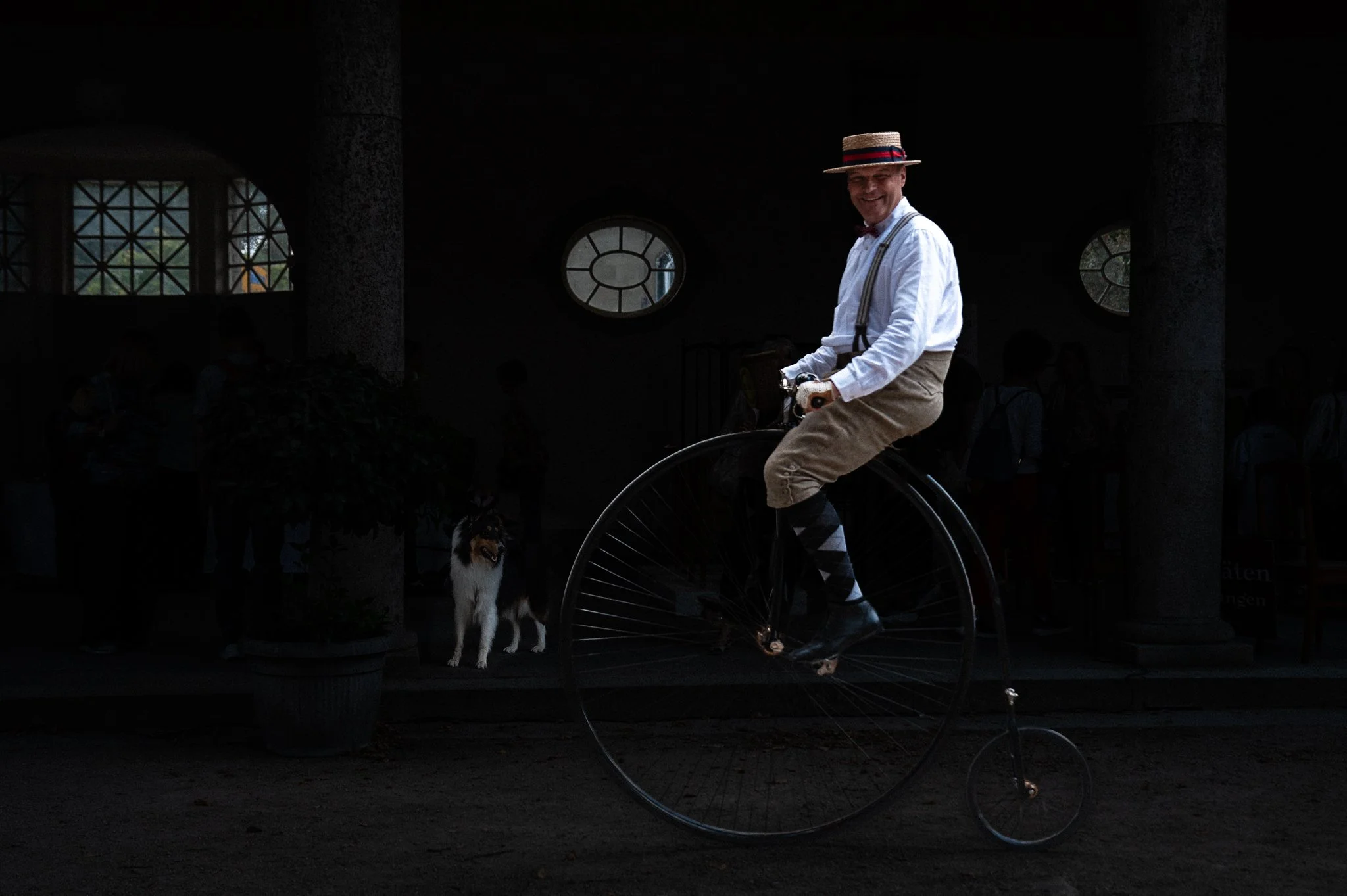
Women appear in elaborate gowns, men in tailcoats and top hats, music fills the air, historic bicycles roll through the streets, and for one weekend, the Belle Époque feels almost within reach.
This year, I finally experienced the Jugendstilfestival for myself. And honestly? I wasn’t quite prepared for how incredible it would be.
When Fashion Became Part of the Arts
Art Nouveau— literally meaning “New Art”, emerged across Europe around the 1890s and flourished until the years immediately preceding the first World War.
In Germany, it became known as Jugendstil.
It was much more than a fashion trend.
Art Nouveau was an artistic movement between 1890 - 1914 that found its way into architecture, furniture, jewellery, graphic design, glass, ceramics and saw the recognition of fashion as part of the decorative arts and design.
And suddenly, fashion wasn’t something you wore. It became another canvas for artistic expression.
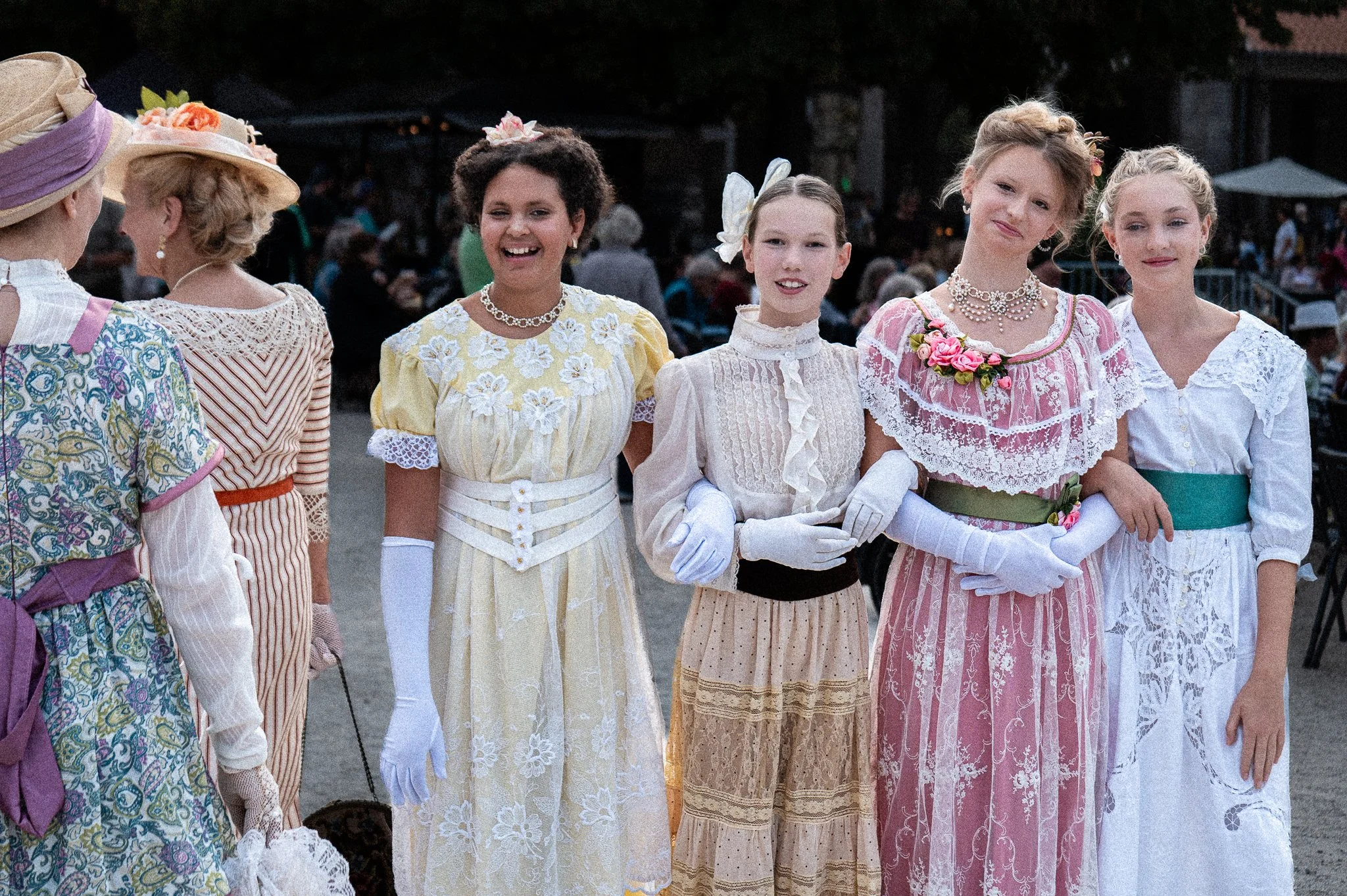
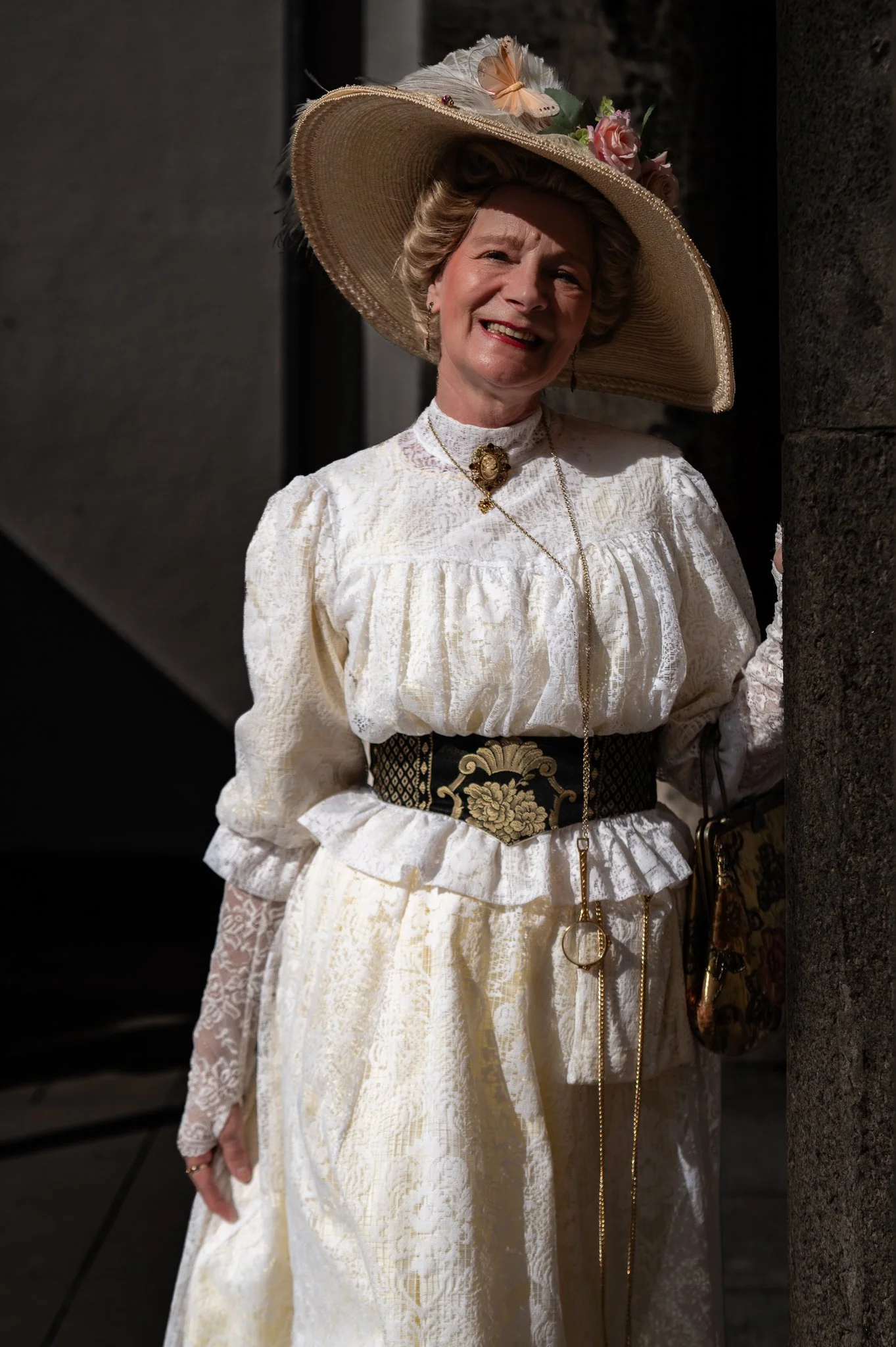
The rigid silhouettes and elaborate conventions of the late 19th century began to evolve. Clothing incorporated the famous S-curve silhouette, flowing lines, botanical motifs, intricate decorations and a much stronger relationship between fashion and the decorative arts.
Jewellery became sculptural.
Silks shimmered.
Lace softened the silhouette.
And accessories were no longer simply functional but became part of the story.
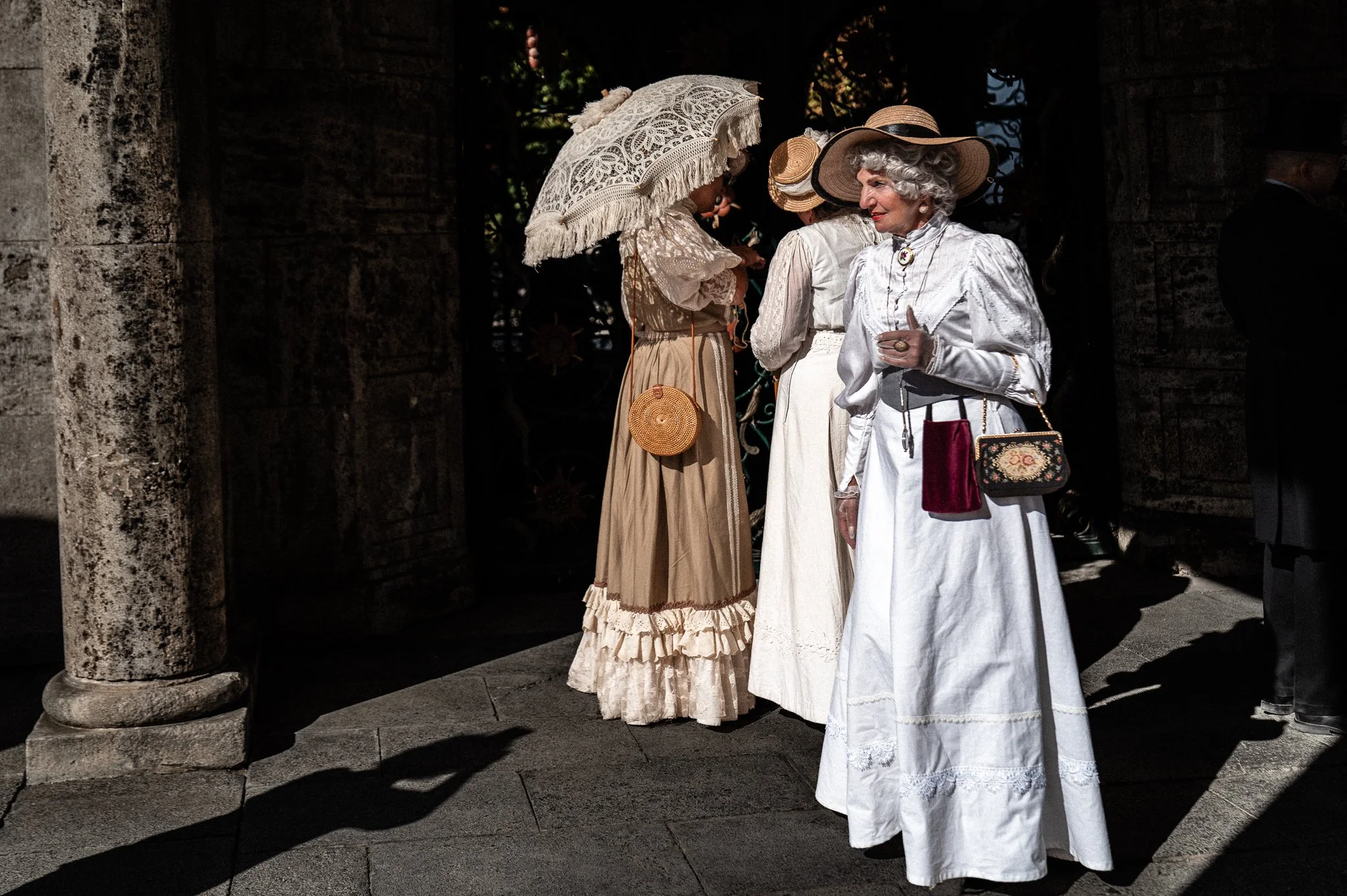
Where accessories became part of the story and no longer just functional
The Beauty Was in the Details
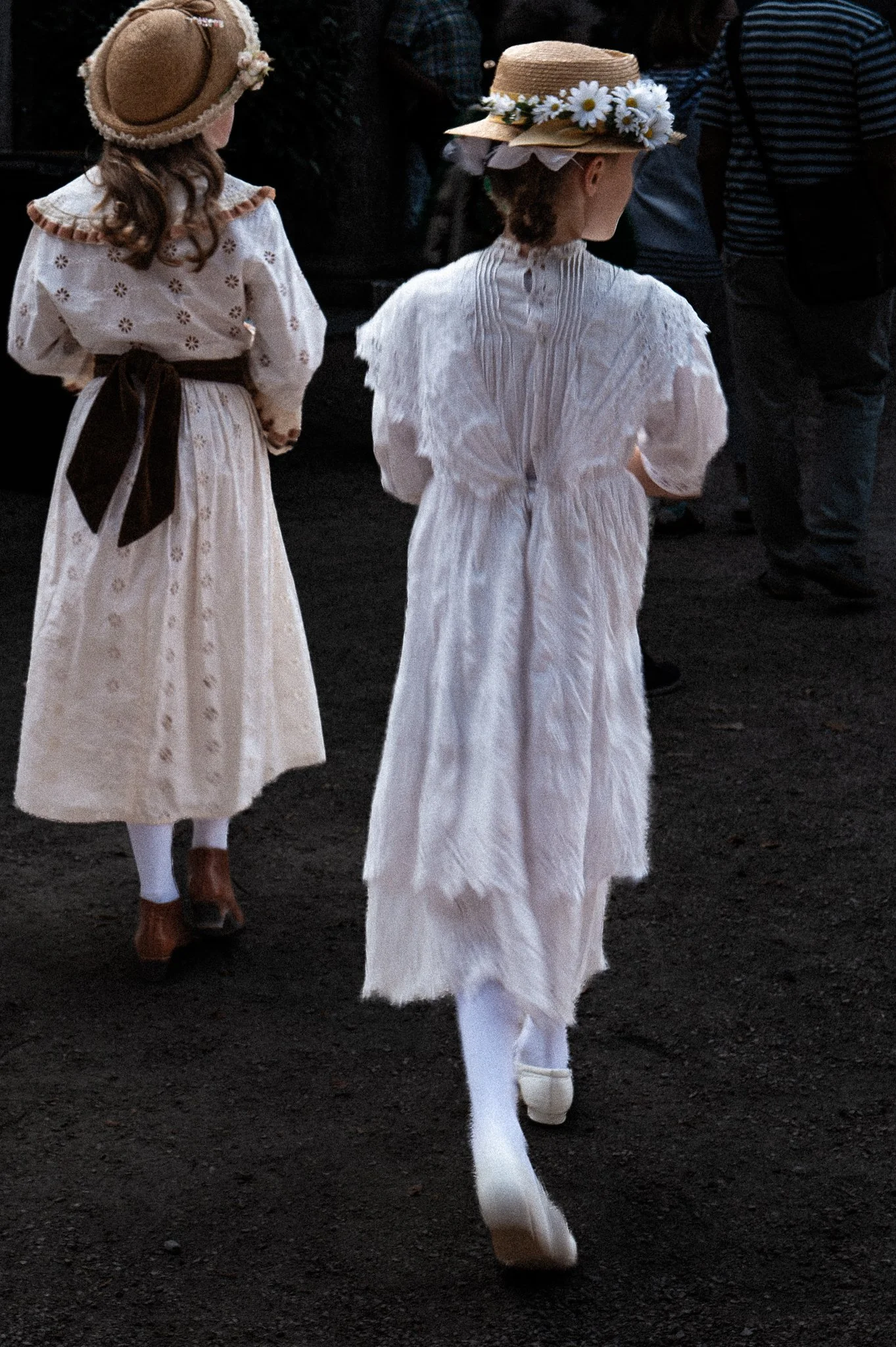
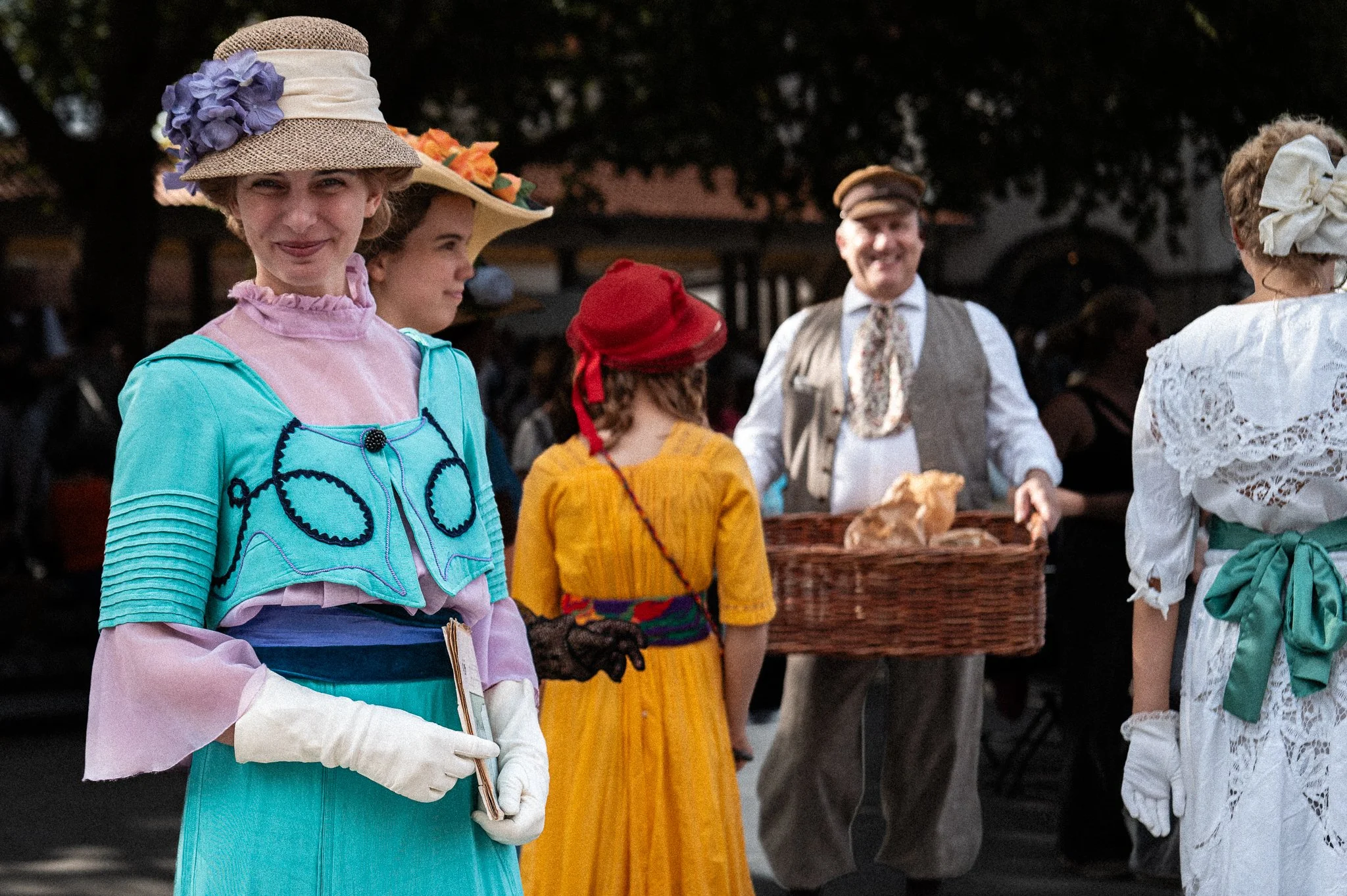
What struck me most when seeing the clothing recreated and displayed at the festival wasn’t simply how beautiful the dresses were.
It was how much work went into them.
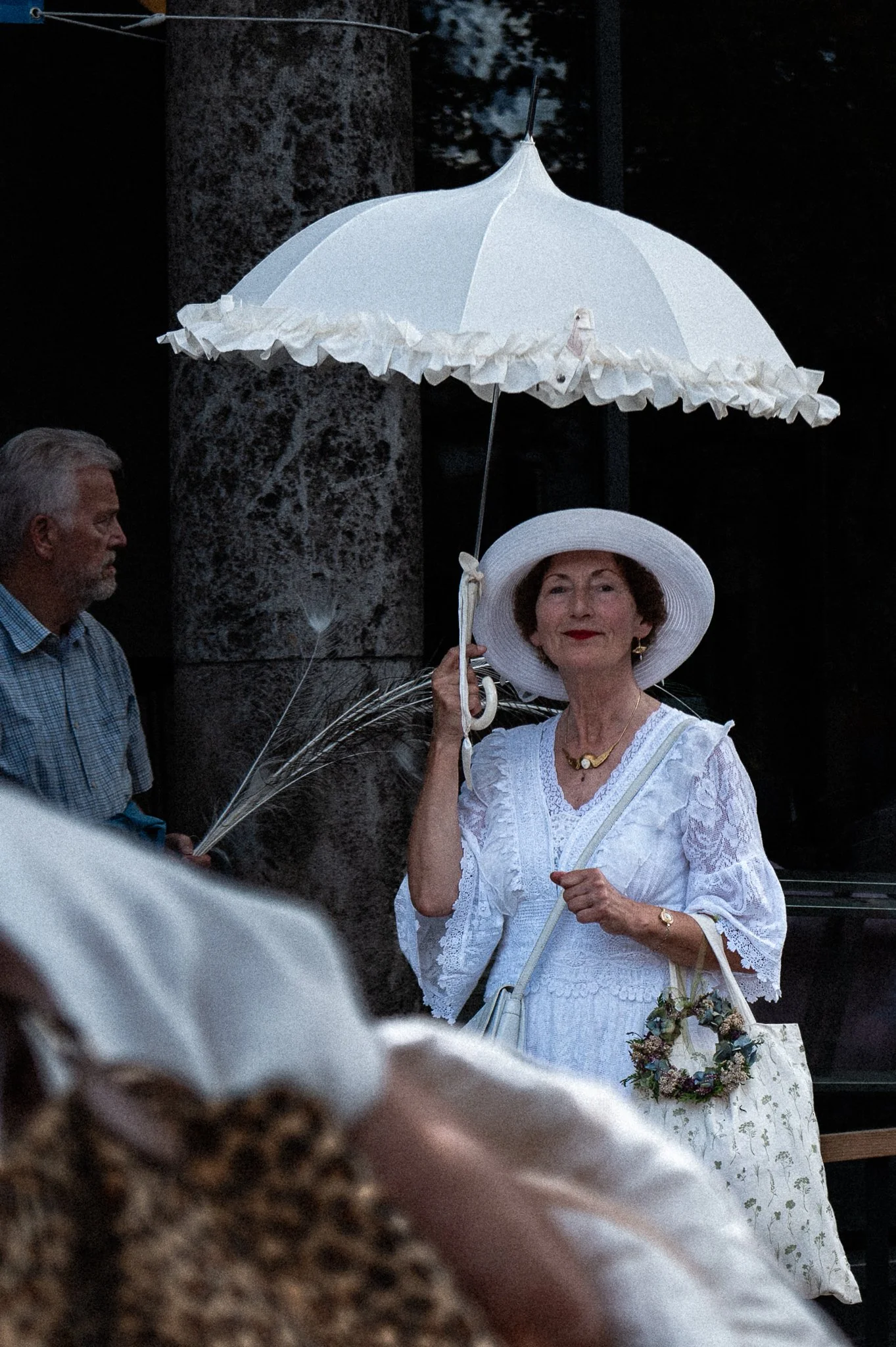
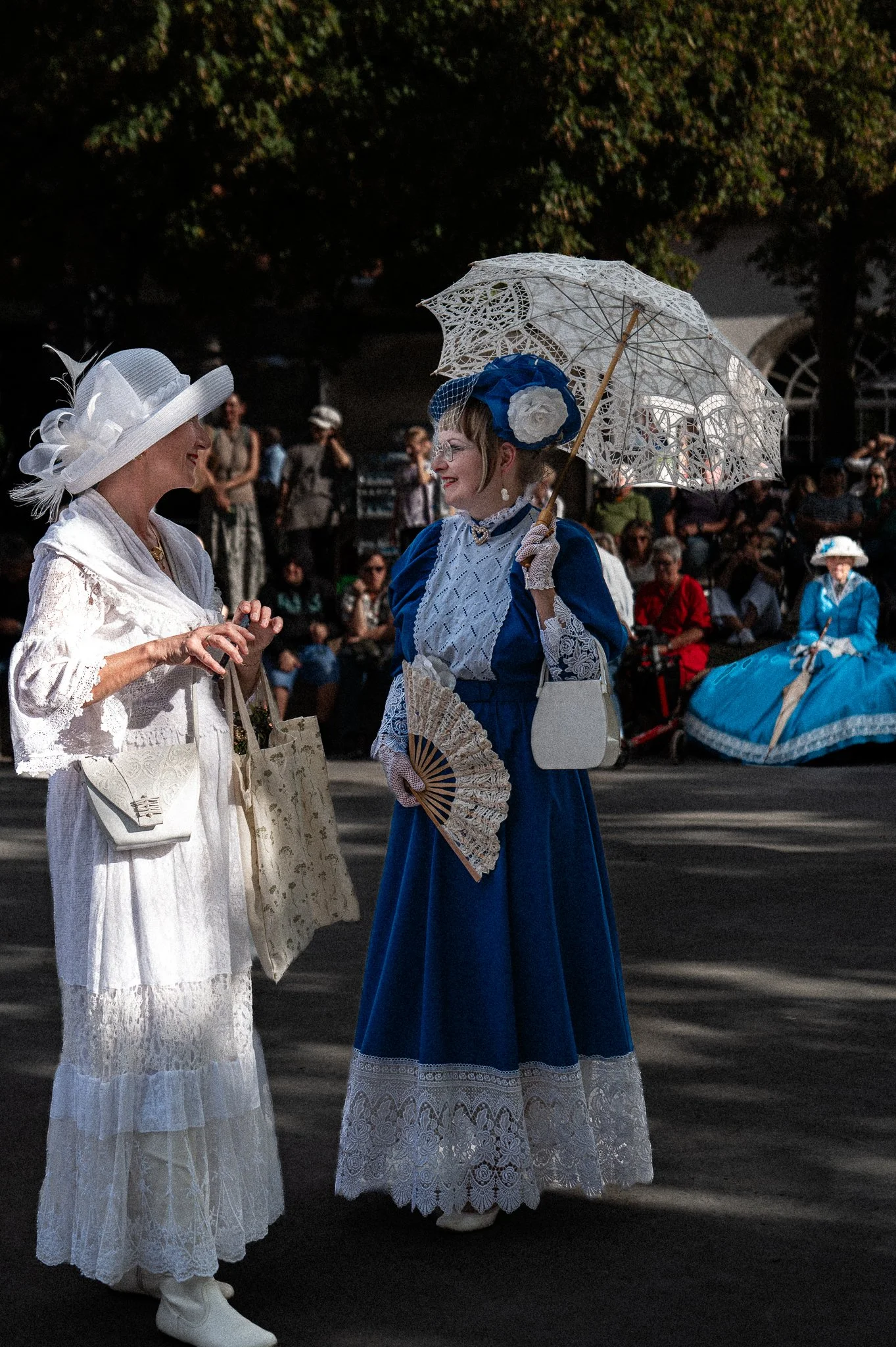
The craftmanship was impossible to ignore. Every button, trim, embroidery, fabric, hat, glove, parasol and piece of jewellery seemed to have a purpose.
Nothing felt accidental. Perhaps that is what makes historical fashion so fascinating to me.
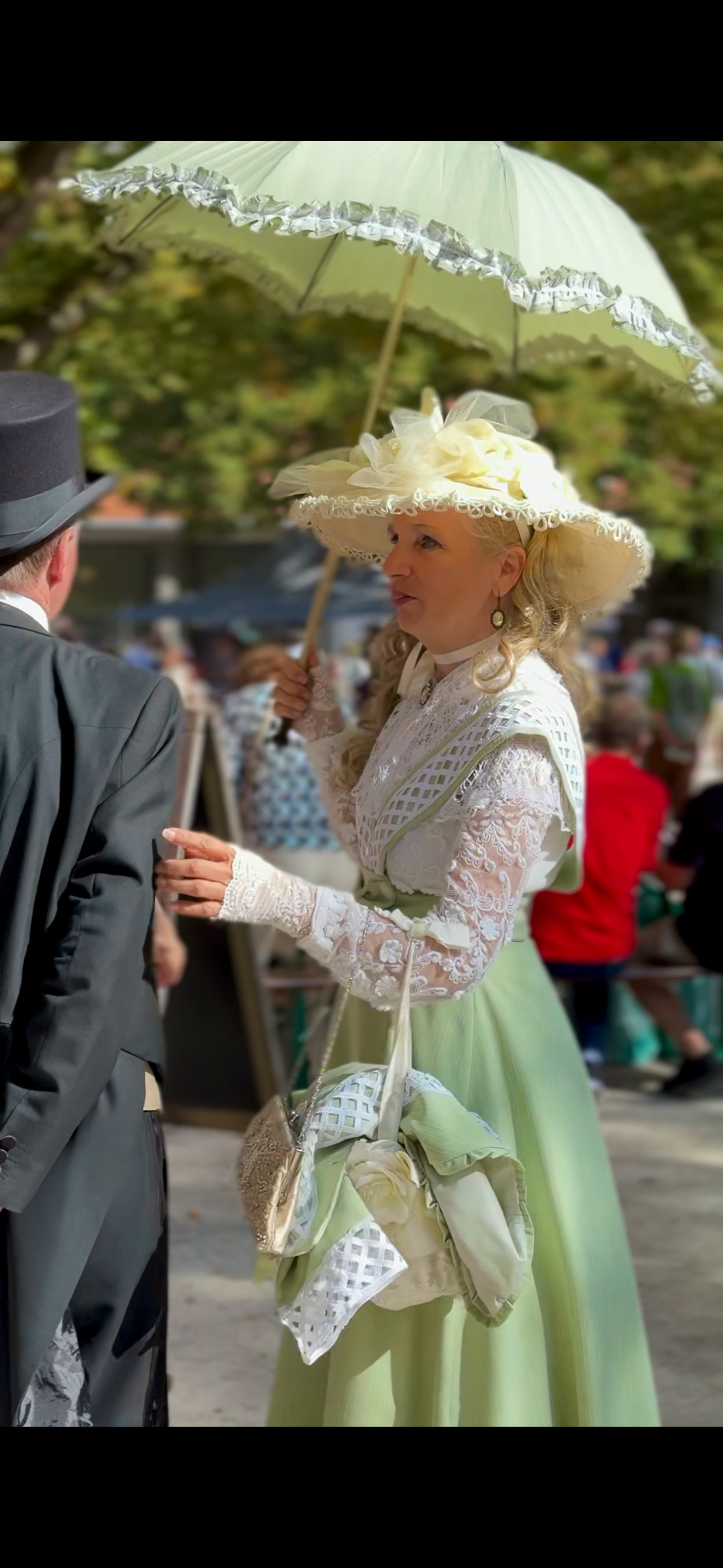
You can look at a garment from a distance and admire the silhouette.
But look closer, and you begin to see the hours behind it.
The hands that made it.
The materials that were selected.
The techniques that were passed down.
The patience required to create something that was never intended to be disposable.
That connection between fashion and craftsmanship is very much alive at Bad Nauheim’s annual Jugendstilfestival. The festival includes historical fashion shows, original garments and historical reconstructed clothing, while many accessories— including hats, handbags, gloves, parasols and jewellery are the authentic pieces from around 1900. (according to the - jugendstilverein.de )
And suddenly, history isn’t something you just read in books and on this day, you could see it walking towards you.
A Small Town Becomes a Time Machine
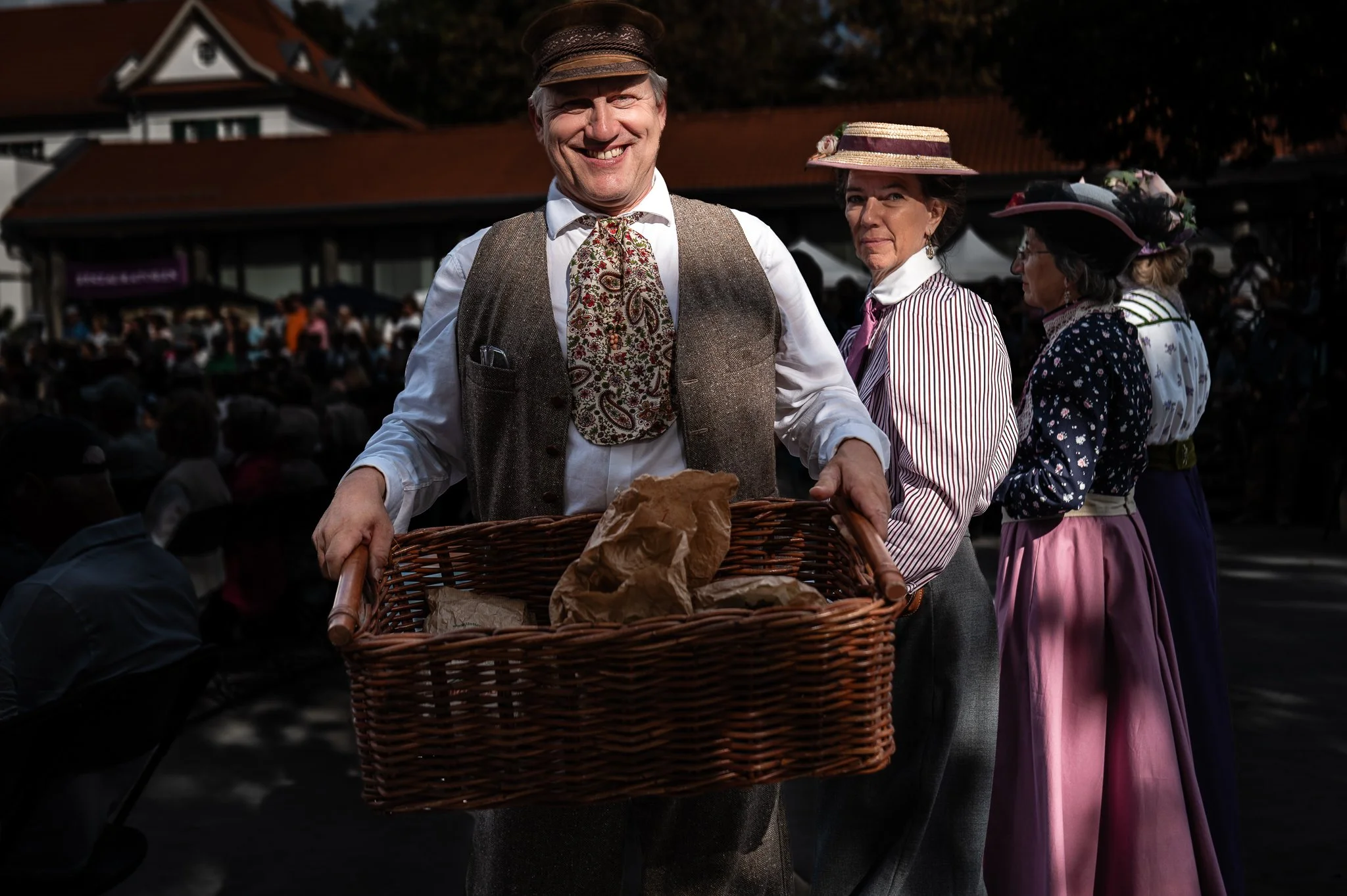
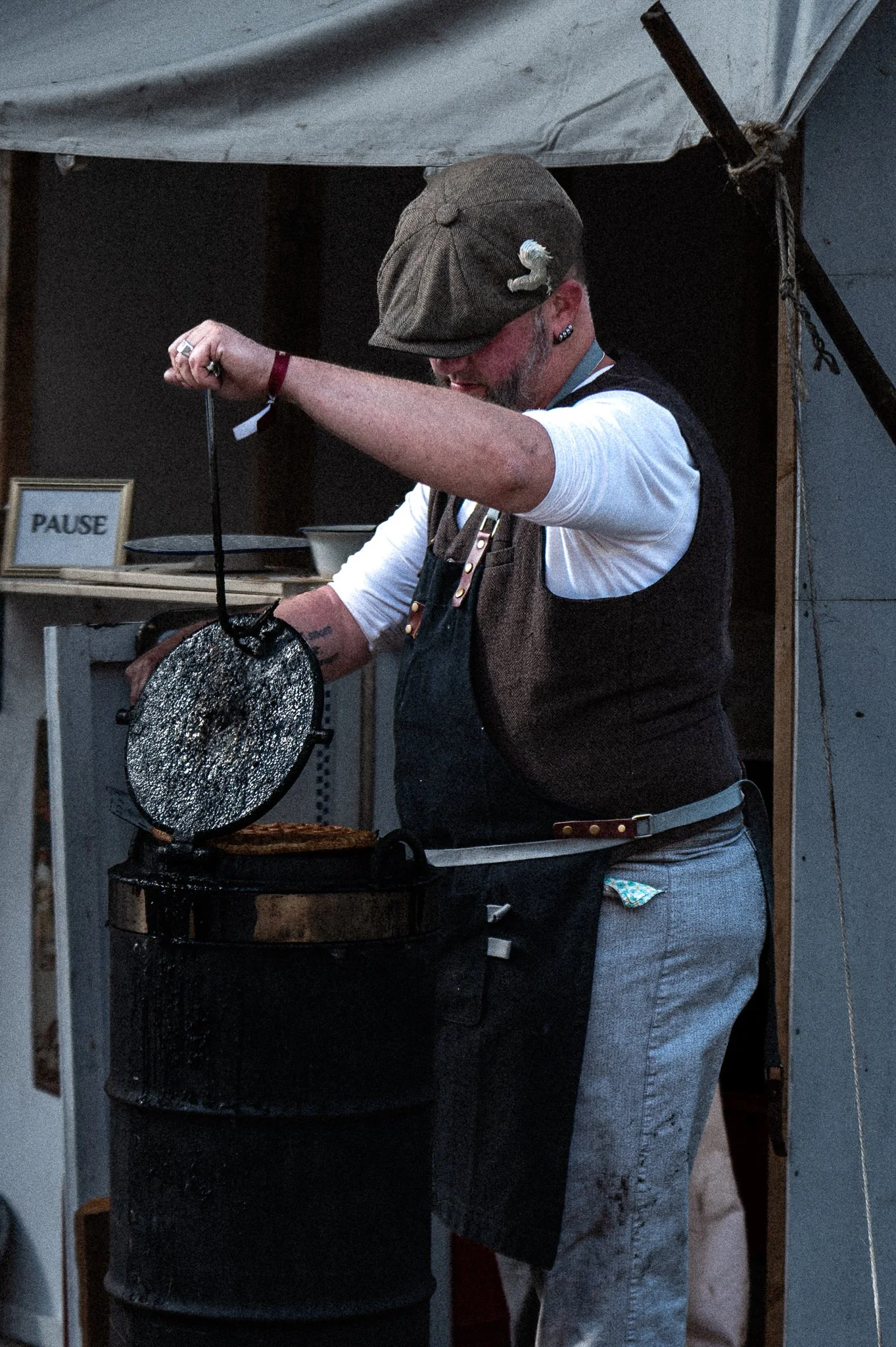
There was something almost surreal about walking through Bad Nauheim and seeing people dressed as though they had stepped out of another century.
This was what I loved most. It didn’t feel like a museum where you simply stand behind a glass case and look at the history.
It felt alive. People were walking. Talking. Cycling. Performing. Wearing clothes. Telling stories.
There was a kind of surrealness in the air and somehow I felt like I had just walked through a Time Machine.
For a few hours, fashion became a living form of history.
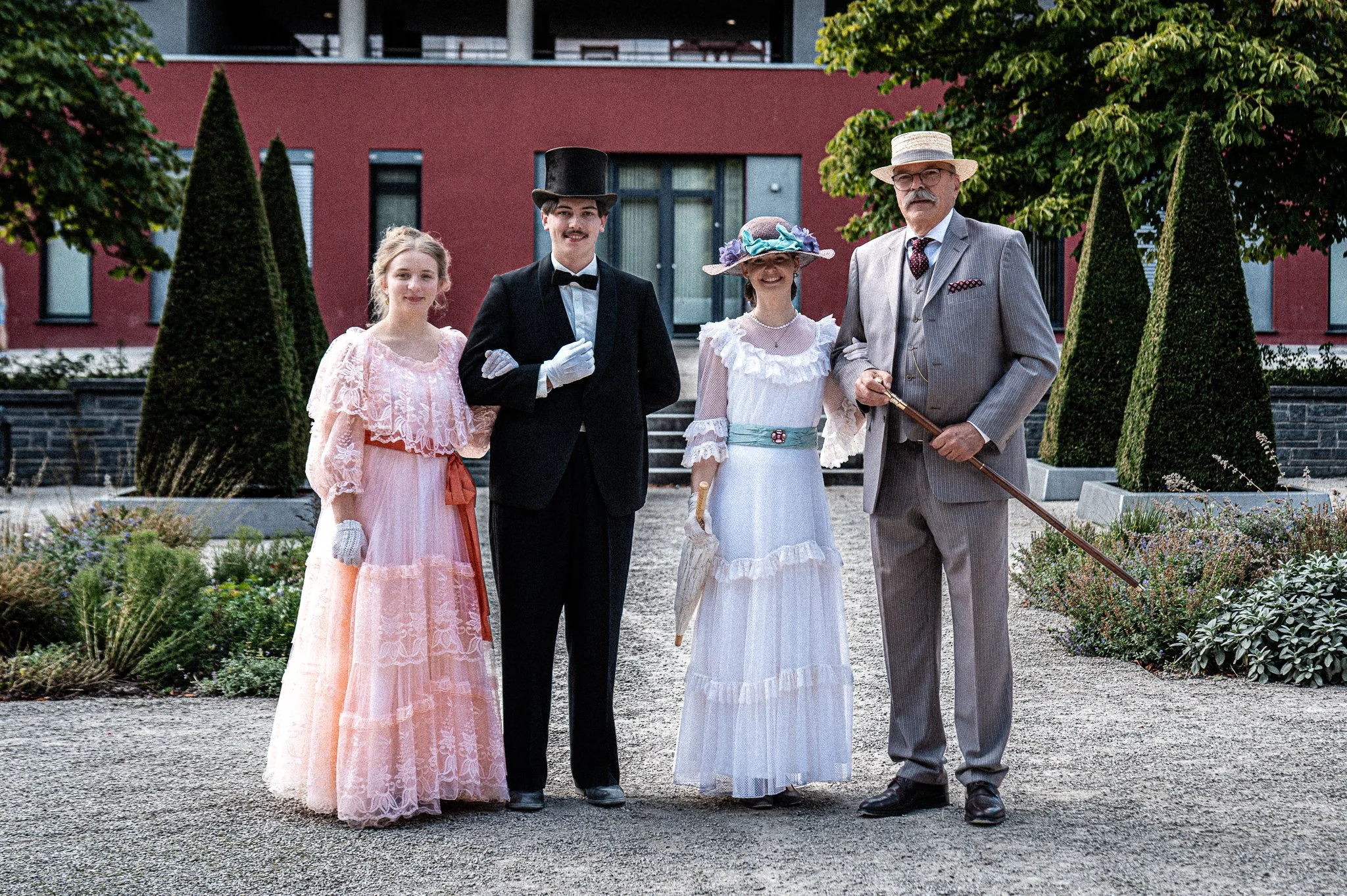
Fashion Has Always Been About More Than Clothing
Standing there surrounded by all these craftmanship got me thinking about something much bigger.
We often talk about fashion as though it is relatively modern phenomenon.
Trends. Collections. Seasons. Campaigns. Logos. Influencers.
But fashion has always been about far more than we put on our bodies.
It tells us something about the society we live in. About our values.
About technology. About women’s changing roles.
About wealth and status.
About identity.
And perhaps most importantly, about what we consider worth making.
According to artsandculture.google.com - The women of the Art Nouveau period were living through enormous social and cultural changes.
Women’s roles were evolving, feminist movements were gaining momentum, and fashion became one of the many places where those changes could be expressed.
Fashion doesn’t simply reflect history. Sometimes, it helps us understand it.
From Craftmanship to Couture
Then I started thinking about luxury fashion today.
Once upon a time, luxury was intrinsically connected to craftmanship.
The quality of the material mattered. The construction mattered. The finishing mattered.
The time it took to make something mattered.
A garment could take extraordinary amounts of time because the value wasn’t simply in what it said on the label.
The value was in what it was.
Today. we might associate that level of craftmanship with the world of Couture.
And couture still represents extraordinary technical skill, artistry and painstaking craftmanship. But it raises an uncomfortable question.
What happens when the name becomes more valuable that the work?
We live in an age where a logo can sometimes be more recognisable than the craftmanship behind the garment.
Where a brand name can determine the price before we have even touched the fabric.
where trends move so quickly that something can be considered desirable one month and irrelevant the next.
Of course, branding has always been part of luxury. Heritage, exclusivity and reputaion have enormous value.
But I wonder whether somewhere along the way, we sometimes forgot to ask the most important question:
Is the fashion item still worthy of the value we place on it?
What Would They Think of Fashion Today?
This is perhaps why experiencing the Jugendstilfestival affected me more than I expected.
Because it made me look at modern fashion through a different lens.
Imagine bringing a beautiful Art Nouveau gown from 1905 into contemporary fashion store.
Would we value it differently if there were no famous name attached to it?
Perhaps the bigger question isn’t whether fashion was better back then.
Standing in Bad Nauheim this year, surrounded by these beautiful garments, I couldn’t help but wonder whether that is something we should be searching for again.
Not necessarily a return to the past. But a return to intentionality. Where fashion was intentionally selected for its quality and crafted to last.
Today I see inferior quality material with expensive brand logo attached to it to reflect the high luxury price.
And then I start to question….When did luxury fashion lose sight of what truly mattered?
Perhaps Luxury Fashion Just Needs a Wakeup Reminder:
That luxury fashion is about having better.
A beautifully made garment.
A material chosen with care.
A piece designed to be worn for years rather than weeks.
An object with a story.
Something made slowly enough that the person who created it had time to care about the smallest detail.
Perhaps this is why historical fashion still fascinated us.
Because even after more than a century, we can still look at a dress and recognise the beauty of something made with intention.
This little festival in Bad Nauheim reminded me that fashion can be much more than consumption.
It can be art.
It can be history.
It can be identity.
It can be craftmanship.
It can be memory.
And, when done beautifully, it can even make us stop and question what we value.
A Final Thought
Walking away from the festival, I found myself thinking about the fashion industry we have created today.
We have more access to fashion than any generation before us.
More designers.
More collections.
More choices.
More information.
More brands.
Better technology.
And yet, perhaps the question isn’t how much fashion we have.
Perhaps it is: How much of it is truly worth keeping?
Because when everything is designed to be desirable, replaceable and constantly new….
Maybe the most luxurious thing of all is still the same thing it was a hundred years ago:
Something made with care, made to last, and made well enough that its beauty outlives the moment in which it was created.
So I leave you with a question:
When you think about luxury fashion today, what makes something truly valuable to you.
The name on the label, the story behind it, the craftmanship, the quality, or simply how it makes you feel?